Who May Be Liable for a Defective Power Tool in Tyler?
A power tool can stop, break, or behave unexpectedly during an ordinary task. If that happens and someone is hurt, it is natural to ask whether the manufacturer, seller, or another party may be responsible. But a tool failure by itself does not establish that the product was defective or that a particular person or business caused the injury. The tool’s condition, how it was used, and what happened before the incident may all matter.
For people in Tyler, a Tyler defective product injury lawyer can help assess what questions a potential claim raises. Cooper Law Firm serves clients in Tyler and Longview and can explain the kinds of evidence an investigation may consider. This article outlines possible responsible parties, how product issues may be evaluated, and why preserving the tool, packaging, and purchase information may be useful. The discussion is general information about Texas claims, not a conclusion about any particular incident.
Who May Be Responsible for a Power Tool Injury in Tyler?
Depending on the facts, an investigation may look beyond the person or business that sold the tool. Potentially relevant parties can include a manufacturer, a distributor, or a retailer in the product’s supply chain. A repair provider or another party may also come into the picture if its work or conduct is plausibly connected to the failure. Identifying who might be responsible requires evidence about the product and the events surrounding the injury.
A Texas power tool product liability claim generally involves questions such as whether a product had a legally recognized defect, whether that issue was a cause of the injury, and whether the product was being used in a way that bears on the claim. Possible defect theories may concern:
- Design: Whether a product’s design created an unreasonable risk and whether a safer alternative design may be relevant under Texas law.
- Manufacturing: Whether the particular tool differed from its intended design or specifications.
- Warnings or instructions: Whether information about a risk, safe use, or maintenance was inadequate in the circumstances.
These are distinct questions, and not every injury fits one of these categories. A Tyler defective product injury lawyer may review the facts before assessing whether a claim against any party is plausible. Texas product-liability rules apply to incidents in Tyler and across the state, but laws and procedures can vary by location and may change.
What Investigators Examine After a Power Tool Fails
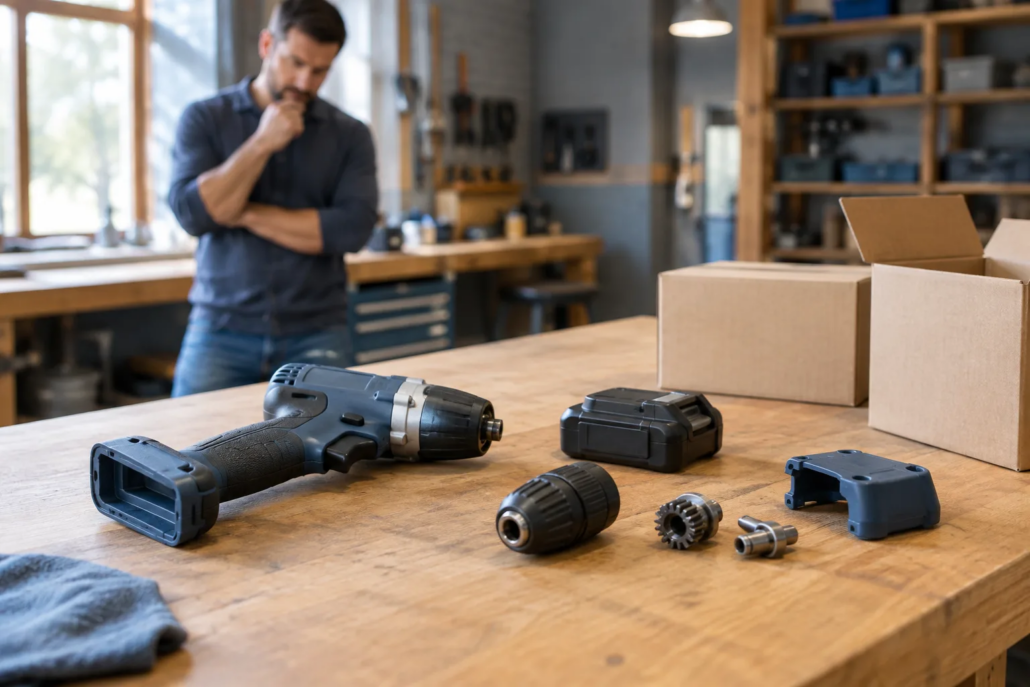
A broken component or sudden stop can be a reason to investigate, but it does not prove a defect. Investigators may consider the tool’s model and age, its condition immediately after the incident, how it was operated, and whether it had been properly maintained. They may also ask whether it had been repaired, altered, or fitted with an accessory that affected how it worked.
The cause may be less apparent if a tool was heavily worn, used outside its instructions, or changed after purchase. That does not automatically settle the question either way; it helps define what evidence is needed. In a different product context, Texas truck tire blowout and possible defect claims illustrates why a failure can prompt questions about product condition, maintenance, and cause. That is an analogy only—not a power-tool-specific legal rule.
A careful review may look at the tool, its components, instructions, purchase history, photographs, and accounts of how the incident happened. An expert may be asked to examine technical questions, depending on the circumstances. No single item necessarily answers who is responsible; the evidence must be considered together.
Why Preserving the Tool and Purchase Information May Matter
The tool as it existed after the incident may help show its condition, including broken parts, wear, or signs of a repair. If it is discarded, cleaned, disassembled, or altered, some details may become harder to evaluate. When practical, keeping the tool in its post-incident condition and limiting further handling may help preserve evidence. Any steps to store it should account for immediate safety, such as preventing others from using or accessing a potentially unsafe tool.
Related records can provide useful context. Consider retaining, if available:
- The packaging, receipt, order confirmation, or other purchase information.
- The user manual, safety instructions, and warranty materials.
- Photographs of the tool, its parts, the work area, and any visible damage.
- Records of repairs, maintenance, replacement parts, and accessories.
- Messages or other communications about the tool or incident.
These materials may help identify the product, establish when or where it was bought, and clarify how it was maintained or used. They do not prove a defect on their own. For more on evidence preservation and insurer communications, see how a Texas personal injury lawyer can help protect evidence. What is relevant will depend on the facts, and an attorney can discuss appropriate handling of evidence for a particular situation.
Frequently Asked Questions
Can a tool injury lead to a claim if the tool was used at work?
Possibly, but the answer depends on the circumstances, including who owned or supplied the tool, how it was used, and what caused the injury. A workplace setting may raise issues beyond product liability, and different rules may apply depending on the employer and the facts. A Texas attorney can help explain which legal questions may be relevant without assuming that a product claim exists.
Does buying a power tool secondhand prevent a product claim?
Not necessarily. A secondhand purchase may make it more important to understand the tool’s age, condition, prior repairs, and ownership history. Those facts can affect an investigation, but they do not automatically establish or defeat a claim. Available purchase messages, seller information, photographs, or maintenance records may help clarify the tool’s history.
What if the tool was repaired before it failed?
A prior repair may be relevant, particularly if a component or repair procedure could relate to the failure. It does not, by itself, show that the repair caused the injury or that the original product was safe. Records identifying who performed the work, what was changed, and when may help an investigation consider different possible causes.
Can I ask a lawyer to review a possible tool-injury claim?
Yes. A lawyer can discuss the incident, potential parties, and available evidence, including whether the tool and related records can be evaluated. For readers in Tyler or nearby Smith County, Cooper Law Firm provides Tyler personal injury legal services. People in Longview and Gregg County can review the firm’s Longview personal injury legal services. A consultation does not guarantee a particular result.
How Cooper Law Firm Can Help
Cooper Law Firm is dedicated to helping injured people understand the questions that may arise after a product-related injury. A review may consider how the tool was used, its condition, maintenance or modifications, and whether a design, manufacturing, or warning issue is plausible. The firm is committed to fighting for clients’ rights while evaluating each situation on its own facts. If you are in Tyler, Longview, or elsewhere in East Texas, contact Cooper Law Firm to discuss your circumstances and request a free consultation or case evaluation. There is no promise of a particular outcome.
Disclaimer: The information in this article is for educational purposes only and does not constitute legal advice. Contact a qualified attorney licensed in Texas for advice specific to your situation; laws vary by location and may have changed since publication.