

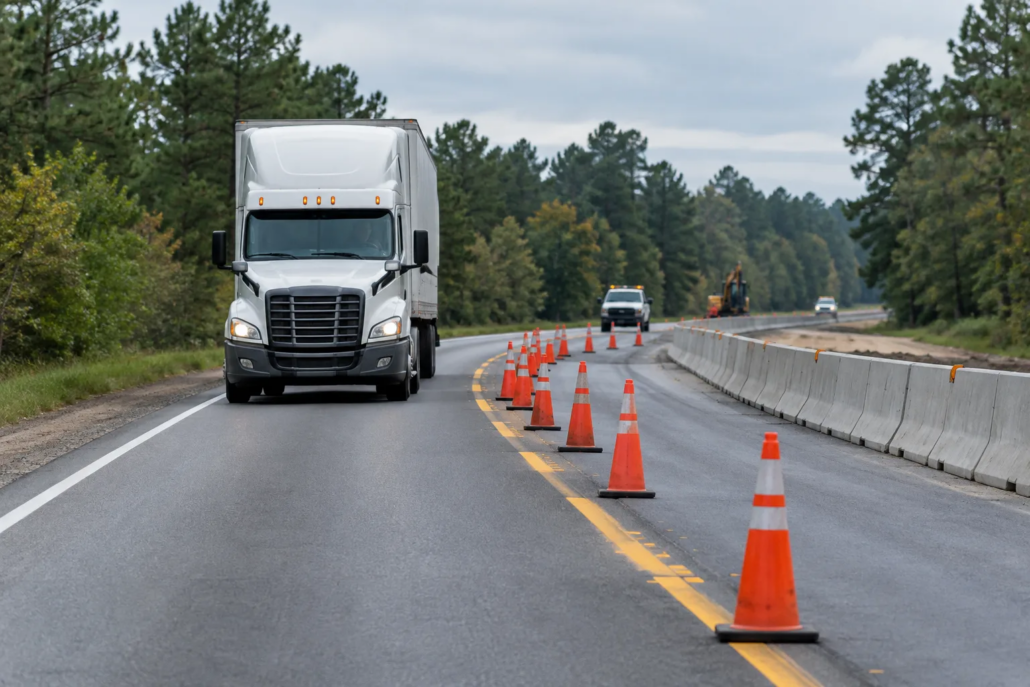
Which Work-Zone Records Can Clarify a Tyler Truck Collision?
A truck crash in a work zone can leave an injured person with a difficult question: did the collision happen because of a driving decision, a confusing lane shift, a traffic-control problem, or several factors at once? A Tyler work zone truck accident lawyer can help explain how these issues may be evaluated. Cooper Law Firm serves people seeking guidance after serious truck crashes in the Tyler area.
A construction-zone collision can involve different people and organizations, and the truck driver’s account may not capture the full scene. This article explains who may warrant investigation, what details and records may help reconstruct events, and how injured people can approach common claim issues. Responsibility depends on the facts and applicable Texas law; it should not be assumed based only on where the crash occurred.
Who May Be Responsible for a Tyler Work-Zone Truck Crash?
Responsibility may depend on who controlled the relevant activity and whether their actions contributed to the collision. A truck driver may be one focus of an investigation, but a work zone adds questions about how traffic was directed, how lanes were arranged, and whether construction activity affected the roadway.
Potentially relevant parties can include:
- The truck driver, if driving conduct, attention, speed, following distance, or response to a lane change is at issue.
- The motor carrier, depending on its role in driver supervision, vehicle maintenance, scheduling, or operating practices.
- A construction contractor or subcontractor, if its work, equipment placement, or implementation of a traffic plan is relevant.
- A public entity or roadway authority, in some circumstances involving roadway conditions or traffic control. Claims involving government entities can have special rules and deadlines, so the details and applicable law matter.
These are investigative possibilities, not conclusions about fault. More than one party may have played a role, and a party’s connection to the project alone does not establish responsibility. A review of potentially responsible parties after a commercial truck crash can provide broader context about how roles may be assessed.
For a crash in Tyler or elsewhere in Smith County, the road’s ownership and the work project’s organization may affect which records exist and who may have them. On a state-maintained highway, TxDOT may be a relevant source of project or roadway information; local roads may involve a different public agency. The location should be confirmed rather than assumed.
What Work-Zone and Truck Evidence Can Clarify the Crash?
A work zone changes over time. Signs, cones, barriers, lane markings, lighting, and equipment can be moved as a project advances, so a single later photograph may not show the setup at the time of a collision. Accounts can also differ about where the lane narrowed, whether a truck had room to stop, or when traffic slowed.
Useful evidence may come from several sources, including:
- Scene details: photographs or video of lane shifts, signs, cones, barriers, pavement markings, lighting, debris, and vehicle positions, if gathered safely.
- Project records: traffic-control plans, work schedules, inspection notes, and communications about a change in lane configuration, where available.
- Truck and carrier records: vehicle inspection and maintenance material, electronic data, dispatch information, and relevant driver records, depending on the circumstances.
- Independent accounts: witnesses, nearby businesses’ cameras, or available roadway footage that may show traffic flow before and during the crash.
Truck evidence should be considered alongside road conditions. For example, truck braking evidence that may clarify how a crash unfolded may help investigators assess braking and vehicle response, but it does not by itself explain whether a lane shift or work-zone setup contributed.
In Tyler and across East Texas, a crash report may offer a useful starting point, but it may not answer every question about project design or truck operation. The records held by a contractor, carrier, or agency can differ, and access may depend on the facts and applicable procedures. Evidence should be interpreted together, not treated as a stand-alone verdict on liability.
What Can an Injured Person Document and Consider Next?
The immediate priority after a collision is safety. If it is safe and appropriate, preserving observations can help later reviewers understand how the work zone looked. A person should not enter traffic or an active work area to collect material, and no one needs to resolve fault at the scene.
When safe, details that may be useful to record include:
- The general location and direction of travel, plus the position of vehicles after the crash.
- The visible lane layout, signs, cones, barriers, lighting, and any apparent obstruction or unusual roadway condition.
- Names or contact information for witnesses, if they are willing to provide it, and the existence of nearby cameras that may have captured the scene.
- The responding agency and any report or incident information provided to the people involved.
People often need to focus on medical care and may not be able to gather these details themselves. Others may be able to preserve observations, but safety and privacy should remain priorities. A practical overview of steps to take after a commercial truck crash in Texas discusses general post-crash considerations.
An insurer may request a recorded account before all work-zone details are clear. It is generally sensible to be accurate and avoid guessing about disputed events. Depending on the circumstances, a person may want to understand the purpose and scope of a request before responding; preparing for an insurer’s recorded statement after a Tyler truck crash covers that topic in more detail.
Texas law governs claims arising from crashes in Tyler and Longview, but legal rules can vary by location and may change. A lawyer can assess which records and parties may be relevant, including whether a public entity is involved. A Tyler truck accident lawyer may review the crash circumstances and explain possible next steps without promising a particular result.
Frequently Asked Questions
Does a crash in a work zone automatically make the contractor responsible?
No. The presence of construction does not, by itself, establish that a contractor caused a collision. An investigation may consider what work was being performed, who controlled traffic or equipment placement, what the road conditions were, and whether those details contributed to the crash. Responsibility depends on the evidence and applicable Texas law, and more than one person or organization may warrant review.
Can a truck driver and another party both share responsibility?
It is possible for an investigation to examine the conduct of more than one party, such as a driver and an organization responsible for another relevant part of the operation or work zone. Whether responsibility is shared depends on the evidence and legal rules that apply. A collision location alone does not establish who is responsible or how any responsibility would be allocated.
What if the work-zone layout changed after the collision?
A changed layout can make contemporaneous evidence especially useful. Photos, witness observations, available video, and project records may help show what signs, barriers, or lane markings were present at the time. Later site conditions may not match the earlier setup, so investigators may compare several sources rather than rely on a single visit or image.
Are work-zone truck crash claims handled differently in Texas?
The basic facts still matter, but a work-zone crash may raise additional questions about roadway ownership, construction records, traffic control, and possible public-entity involvement. Claims involving a government body can be subject to specific legal requirements. Because rules and deadlines depend on the circumstances and may change, a Texas-licensed attorney can provide advice tailored to a particular situation.
How Cooper Law Firm Can Help
Cooper Law Firm is dedicated to helping injured people understand the issues that may arise after a truck crash in a Tyler work zone. A review may consider the truck’s operation, roadway layout, traffic-control details, construction activity, and records held by different parties. The firm can also explain how Texas law may apply to the circumstances and discuss questions about a potential claim.
If you were injured in a work-zone truck crash in Tyler, Longview, or elsewhere in East Texas, contact Cooper Law Firm to request a free consultation or case evaluation. The team is ready to evaluate your situation and discuss your options; no particular result can be promised.
The information in this article is for educational purposes only and does not constitute legal advice. Contact a qualified attorney licensed in Texas for advice specific to your situation; laws vary by location and may have changed since publication.






Leave a Reply
Want to join the discussion?Feel free to contribute!