

Which Businesses Share Fault After a Van Zant Cargo Shift?
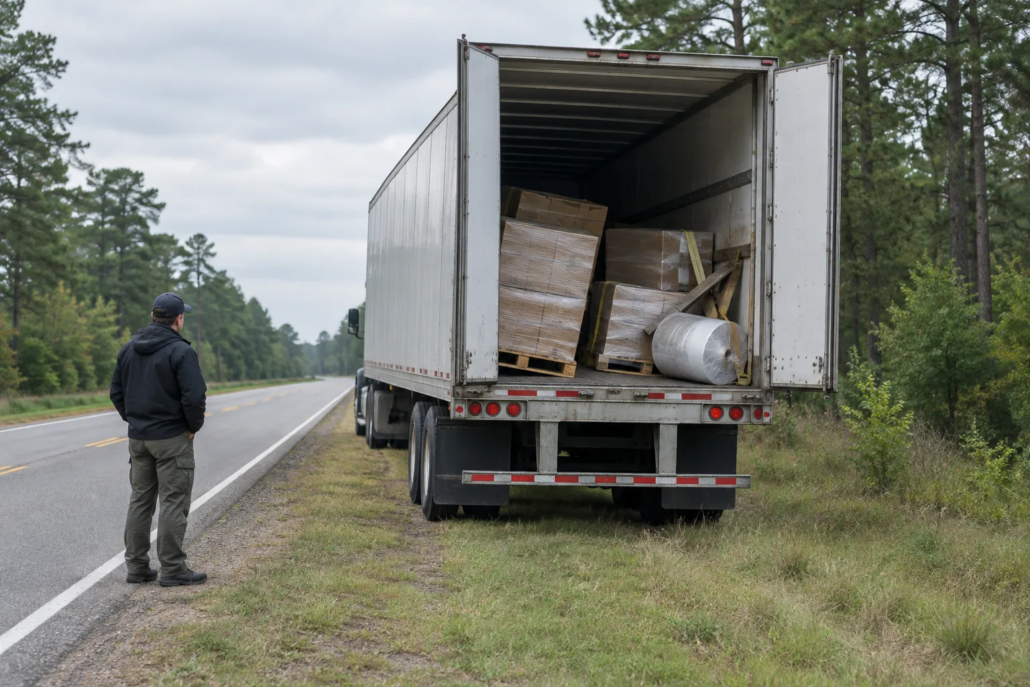
A truck carrying lumber, equipment, or boxed goods travels along a rural road near Van Zant, Texas. If the load shifts during a turn or spills onto the roadway, another driver may have little time to react. A truck cargo shift accident lawyer in Van Zant, TX may examine more than the truck driver’s conduct: the carrier, shipper, and loading crew may each have played a different role. For a broader look at how a truck driver’s work relationship can affect liability, the details of employment and carrier arrangements may also matter.
Cooper Law Firm can help readers understand the questions that often arise after these crashes. This guide explains who may bear responsibility, what records and observations can help distinguish each party’s role, and how to preserve useful information without interfering with an investigation. Responsibility depends on the facts, not simply on who owned the truck or cargo.
Who May Be Responsible in a Truck Cargo-Shift Accident?
A load that moves or falls can point to several possible failures, but it does not establish by itself who was legally at fault. The relevant duties may depend on the cargo, the vehicle, applicable safety requirements, and any agreements about who would load, inspect, or secure the freight.
Driver and motor carrier responsibilities
A driver may be questioned about pre-trip checks, observations during the trip, and whether the truck was operated safely after a load problem became apparent. A driver’s role is not automatically the same in every case: the driver may have loaded or inspected the freight, or may have received it already secured.
A motor carrier may have responsibilities connected to its safety procedures, supervision, vehicle maintenance, or the driver’s work. The driver’s employment status and contracts can affect the analysis, so it may help to understand how a truck driver’s work relationship can affect liability. A carrier’s name on a vehicle alone does not resolve whether it is responsible for a particular load shift.
Shipper and loading crew responsibilities
A shipper or loading crew may be relevant if the cargo was arranged, distributed, or secured in a way that contributed to the movement. Records can help show who performed the loading, what instructions were given, and whether anyone documented the load’s condition before departure. In Van Zant, as elsewhere in Texas, investigators and lawyers generally need to connect the evidence to the duties each party actually had.
What Evidence Can Help Clarify a Cargo-Shift Crash?
Useful evidence can disappear quickly. Cargo may be moved to reopen a road, vehicles may be repaired, and businesses may routinely update or discard records. When it is safe and allowed, preserve observations rather than trying to reconstruct or handle the load yourself.
Depending on the circumstances, potentially useful information may include:
- Photos or video of the roadway, vehicle positions, visible cargo, tie-downs, trailer interior, and debris, taken from a safe location.
- The truck and trailer’s identifying details, the carrier’s name, visible shipping labels if safely observable, and the names of businesses involved in pickup or delivery.
- Names and contact details for witnesses, along with the investigating agency and any available crash-report information.
- Bills of lading, loading instructions, weight or distribution records, inspection notes, dispatch communications, and securement or maintenance records.
- Electronic information that may help establish timing or vehicle actions, such as event data or available camera footage.
These records answer different questions. Electronic data may help show speed, braking, or the sequence of events, but usually does not establish how the freight was loaded or secured. For more on preserving a truck’s electronic crash data, see Cooper Law Firm’s related discussion. Business and cargo records may be held by different companies, so documenting their names and roles can be as important as photographing the scene.
If responders are present, follow their directions and do not enter a hazardous area or disturb cargo or equipment. For practical steps after a commercial truck crash in Texas, readers can review general scene-safety and documentation considerations. Near Van Zant, the responding agency depends on the precise crash location and circumstances; note which agency attends rather than assuming a particular office handled the investigation.
How Can Responsibility Be Evaluated and Information Preserved?
A careful review often compares the physical scene with records from each participant. For example, photographs of shifted freight may be considered alongside loading documents, statements, inspection records, and the truck’s route or event data. A mismatch between records and physical evidence may raise questions, but it is not proof of fault by itself.
After a crash, practical steps may include:
- Get to a safe location, contact emergency services when needed, and follow instructions from responders. Avoid approaching unstable cargo or moving debris.
- Record what you observed while memories are fresh, including where the cargo was located, what appeared to move, weather or road conditions, and the sequence of events. Separate direct observations from assumptions.
- Keep available photos, messages, receipts, and report details. Do not alter original files if you can preserve them as created.
- Identify the truck, trailer, carrier, shipper, loading site, and any other businesses that may have handled the freight. An attorney may assess whether records should be requested or preserved.
In Texas, a claim may involve questions about how responsibility is assigned among multiple parties. The legal effect of each party’s conduct depends on applicable law and the evidence. Near Van Zant, the exact crash location can also matter for identifying the appropriate investigating agency and determining where a legal matter may proceed. Laws and procedures can vary by location and may change, so general information cannot resolve an individual claim.
Frequently Asked Questions
Can the truck driver be responsible if someone else loaded the cargo?
Possibly, but the fact that another person loaded the cargo does not automatically clear the driver or establish the driver’s responsibility. The review may consider what the driver was expected to inspect, what was visible, whether the load changed during the trip, and how the driver responded. The answer depends on the assigned duties and evidence in the particular crash.
Can a shipper or loading crew share responsibility for a cargo spill?
A shipper or loading crew may be considered if evidence suggests its work, instructions, or handling contributed to the load shifting or falling. Relevant materials may include loading records, freight instructions, photographs, and witness accounts. A company’s involvement alone is not enough to establish liability; its role and the connection between its conduct and the crash need to be evaluated.
What should I photograph after a truck cargo shift crash?
If it is safe and permitted, photographs may capture vehicle positions, visible cargo and securement equipment, road conditions, debris, and nearby landmarks. Avoid entering traffic or approaching unstable freight, and follow responders’ directions. Note business and vehicle details when safely observable. Photos are only one part of the evidence and may not reveal how or when the load shifted.
Does truck electronic data show how cargo was secured?
Usually, electronic vehicle data is more useful for questions such as timing, speed, or braking than for proving how freight was arranged or secured. Load-specific records, photographs, inspection documents, and testimony may be needed to evaluate those issues. The types of data available vary by vehicle and equipment, and preservation may require prompt attention.
How Cooper Law Firm Can Help
Cooper Law Firm is dedicated to helping people understand the questions that can arise after a commercial truck crash. A review may consider the driver’s actions, the carrier’s role, who loaded or handled the freight, and what physical or business records remain available. The firm can also discuss how the crash location near Van Zant and the available evidence may affect the investigation. No single fact guarantees a particular result, and each situation requires an individual assessment. Contact Cooper Law Firm to discuss a consultation or request a case evaluation.
The information in this article is for educational purposes only and does not constitute legal advice. Contact a qualified attorney authorized to practice in the jurisdiction that applies to your matter for advice specific to your situation.






Leave a Reply
Want to join the discussion?Feel free to contribute!