Who Is Liable in a Longview Oilfield Access-Road Crash?
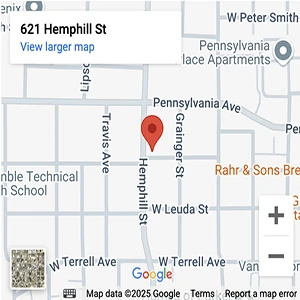
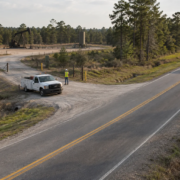
A driver approaching an oilfield entrance may encounter a turning work truck, a line of vehicles waiting to enter, or a driveway that is difficult to see from the public road. When a crash happens there, an oilfield access road car accident in Longview, TX can raise questions about both driver decisions and the way the entrance was laid out or managed. The exact collision point matters: was the impact on a public road, within a private driveway, or where the two meet? Cooper Law Firm helps readers understand the kinds of details that can inform that inquiry. This article discusses how responsibility may be assessed, what to document about the entrance and traffic controls, and why it can be useful to identify every vehicle and organization connected with the site. The same considerations may matter around Van Zant, TX, where access points can meet rural roads with limited sight distance. No single fact automatically determines fault; the surrounding evidence and applicable law matter.
Who may share responsibility for an oilfield access-road car accident in Longview, TX?
A crash near an oilfield entrance is not automatically the responsibility of the driver entering or leaving the site. The inquiry generally considers what each driver did, what could reasonably be seen, and whether the entrance or traffic flow contributed to the collision. A driver may have been turning across traffic, entering a queue, or traveling along the roadway when another vehicle pulled out. Each account should be compared with physical evidence and other available records.
Depending on the facts, potentially relevant parties may include the drivers, vehicle owners or employers, a site operator, and a contractor involved in building, maintaining, or directing traffic at the access point. Their involvement alone does not establish legal responsibility. Questions may include who controlled the entrance, who arranged traffic movement, whether a contractor had a defined safety role, and whether an act or omission contributed to the crash. For a broader discussion of potential claims involving a Van Zant oilfield crash, see the related Cooper Law Firm resource.
Sight lines, shoulders, and turning movements
A useful review considers the approach from each driver’s perspective. Road curvature, vegetation, parked equipment, shoulder width, lighting, and the position of a turning vehicle can affect how much time drivers had to see and react. These details may change by direction of travel and time of day. The article on how rural road geometry affects East Texas truck crashes explains why sight distance and road layout can be important context.
What entrance evidence can clarify an oilfield access-road crash?
The entrance itself can change, and temporary traffic arrangements may not remain in place after a collision. A precise record of the location and conditions can help preserve the context for later review. Where safe and appropriate, useful details may include:
- The entrance’s position relative to the public road, nearby intersections, and the impact point.
- Sign locations, direction, condition, and whether vegetation, equipment, or other objects obstructed them.
- The width and condition of the driveway, shoulder, and any queue or staging area.
- The time, lighting, weather, traffic volume, and direction each vehicle was traveling.
- The names or identifying details of the site operator, contractors, and vehicles involved.
Photographs taken from more than one approach can help show what a driver might have seen, while close images can record a sign’s condition or placement. Avoid assuming that a sign was missing simply because it is not visible in one image; perspective and changes after the crash can matter. Cooper Law Firm’s discussion of Longview car crashes involving missing or damaged road signs offers more context on documenting sign visibility and condition.
Traffic-control and site records
If traffic was directed, temporarily rerouted, or held at the entrance, records may help explain how that system was planned and maintained. Potentially relevant materials can include access plans, temporary traffic-control documents, inspection records, and communications about vehicle flow. The existence or contents of a particular record will depend on the site and the organizations involved. For a related look at records that can clarify work-zone traffic control, see Cooper Law Firm’s work-zone resource.
What should be preserved after a crash at an oilfield entrance?
A clear record starts with identifying the exact place and the people or organizations connected to it. In Longview, TX or near Van Zant, TX, the name of a lease, facility, road, or entrance may differ from the name of the company that operates it. Note visible site identifiers without assuming that the landowner, operator, contractor, and vehicle employer are the same entity. A police crash report may help establish basic details, but it may not resolve every question about access control or site operations.
Vehicle evidence also matters, especially when a commercial truck or other work vehicle is involved. Record the vehicle’s type, company markings if present, license plate, trailer details, and direction of travel, if this can be done safely. Electronic information may help clarify matters such as speed or braking, but availability and access depend on the vehicle and who controls its records. Cooper Law Firm explains considerations for preserving a commercial truck’s black-box records in a related article.
People may remember different details, so collecting contact information for witnesses can be useful. Keep original photographs and notes, and make a record of when and where they were taken. Site conditions, vehicles, and electronic data may change or be overwritten, which makes prompt documentation worth considering. A lawyer can assess what evidence may be relevant and what preservation options apply to the particular facts. This is especially important when several companies have roles at an entrance, because determining who had authority over a traffic plan or maintenance task may require separate records.
Frequently Asked Questions
Does a crash on a private oilfield road automatically make the site operator responsible?
No. The fact that a collision occurred on private property does not, by itself, establish that the operator is legally responsible. The analysis may consider who controlled the entrance, what duties applied, whether a site condition contributed, and what each driver did. Responsibility can depend on evidence about the property, traffic arrangements, and the parties’ roles, as well as the law that applies in the relevant Texas location.
What if the entrance had no stop sign or warning sign?
A missing or obscured sign may be one relevant fact, but it does not decide a claim on its own. Investigators may consider whether a sign was required or planned, who was responsible for placing or maintaining it, and what drivers could see at the time. Photographs, site plans, inspection records, and witness accounts may help establish the entrance’s condition before or after the collision.
Can an oilfield contractor be involved even if it did not own the road?
Possibly. Ownership is not the only fact that may matter. A contractor might have had a role in directing vehicles, maintaining the entrance, or setting up temporary traffic controls, but that role alone does not prove liability. Records and agreements may help show what work the contractor undertook and whether that work relates to the collision. The specific facts and applicable law determine whether a claim may be considered.
What if a commercial truck was involved but I do not know who operated it?
Vehicle details can help identify its owner, employer, or carrier, but markings may be incomplete or hard to see. A crash report, witness information, photographs, and the vehicle’s identifying features may provide leads. Electronic records may also exist, though access can depend on who controls the vehicle and the circumstances. An attorney can evaluate what identification and preservation steps may be appropriate for a particular matter.
How Cooper Law Firm Can Help
Cooper Law Firm is dedicated to helping people understand the questions that may arise after a car accident, including a collision at an oilfield entrance. A review may consider the exact location, traffic controls, visibility, vehicle evidence, and the roles of site operators or contractors without assuming that any party is responsible before the facts are examined. For people in Longview, TX, Van Zant, TX, and surrounding areas, the firm is ready to evaluate the circumstances and discuss available options. Contact Cooper Law Firm to request a consultation about your situation.
The information in this article is for educational purposes only and does not constitute legal advice. Contact a qualified attorney authorized to practice in the jurisdiction that applies to your matter for advice specific to your situation.