When Does a Trailer Guard Matter in an Underride Claim?
A passenger vehicle can strike a truck trailer in a way that allows part of the smaller vehicle to slide beneath it. When someone in Tyler is hurt in this kind of crash, a truck underride guard injury claim may raise questions about the guard’s condition and role—but the crash outcome alone does not establish that the equipment was defective. Cooper Law Firm can help readers understand the issues that may warrant careful review. For background on the collision type, see an earlier discussion of truck underride collisions; that discussion is context, not proof about any particular crash. This article explains what an underride collision is, what a guard is intended to do, what investigators may examine, and how evidence can help distinguish a product issue from crash damage or other causes. It also covers practical considerations for people in Tyler and Longview, Texas, while keeping the focus on general information rather than conclusions about a specific claim.
What Is an Underride Collision, and Why Does the Guard Matter?
An underride collision occurs when a passenger vehicle’s front or side moves beneath the body of a taller truck or trailer during impact. Rear underride involves the back of a trailer; side underride involves its side. The details can vary with vehicle design, speed, angle, road conditions, and the point of impact. Those factors matter because the way a collision unfolds may affect what a guard could reasonably have done.
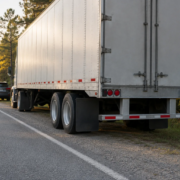
A rear underride guard is a structure fitted to the rear of many trailers. Side-impact protection may also be present, depending on the vehicle and applicable requirements. Such equipment is intended to reduce the risk of a smaller vehicle traveling beneath a trailer, but no guard can prevent every underride event. Applicable federal safety requirements can depend on factors such as vehicle type and manufacture date, so an assessment should identify the specific trailer rather than assume a single standard applies.
In Tyler or elsewhere in East Texas, photos showing a bent, detached, or apparently absent guard may prompt questions, but they do not answer them. The damage may have occurred during the crash, predated it, or resulted from a combination of forces. A careful evaluation considers the whole collision, including vehicle geometry and the guard’s design and attachment. A related explanation of how a product injury does not automatically prove a defect offers a useful general principle: evidence must support the conclusion.
When Could an Underride Guard Raise Product-Liability Questions?
A truck underride guard injury claim may involve product-liability questions when evidence suggests the guard’s design, manufacture, or condition may have contributed to the harm. The key is not simply whether the guard looks damaged after impact. Investigators may need to determine whether it was present and properly attached before the collision, whether it matched the trailer, and whether a particular design or manufacturing issue is supported by technical evidence.
A sound investigation may consider:
- The trailer’s make, model, age, configuration, and any relevant safety requirements.
- The guard’s dimensions, material, attachment points, and condition before and after the crash, if that information is available.
- Repair, inspection, and maintenance records, including documentation of prior damage or replacement.
- The collision’s direction, point of contact, vehicle speeds, and other physical evidence.
- Whether a proposed defect is consistent with the observed damage and injury mechanism.
Potentially responsible parties after a commercial truck crash can vary with the facts. A manufacturer, trailer owner, carrier, maintenance provider, or another entity might warrant examination, but their involvement does not automatically establish fault. In Tyler, a claim could require review of Texas law and the evidence specific to the crash; in Longview, the same general caution applies. Responsibility should not be presumed before the relevant records and technical questions are evaluated.
What Evidence Can Help Evaluate a Guard?
Evidence can change quickly after a commercial vehicle crash. The trailer may be repaired or returned to service, and components may be moved. Depending on the circumstances, useful information may include scene photographs, vehicle and trailer identification, inspection and repair records, driver or carrier records, witness accounts, and available crash reports. A qualified technical review may compare the guard’s condition with the collision damage and the trailer’s configuration.
People often focus on a component’s final appearance. That can be understandable, but a broken guard does not by itself show whether it failed before impact, during impact, or as an expected result of the collision. Likewise, an apparently missing component should be assessed in context: investigators may need to determine what equipment was required for that specific trailer and what was actually installed at the time.
For general practical guidance, Cooper Law Firm’s article on steps to take after a commercial truck crash in Texas discusses crash-response considerations. Safety and medical needs should take priority over gathering evidence. When records are available, truck maintenance records and other mechanical evidence can help illustrate why mechanical questions often require more than a quick visual assessment.
In Tyler, which is in Smith County, and Longview, in Gregg County, the location may matter to the practical handling of a claim. The appropriate legal process depends on the facts and applicable jurisdiction; county names alone do not determine where a claim belongs. Laws and procedures can vary and may change, so a Texas attorney can explain how they may apply.
Frequently Asked Questions
Does a damaged underride guard prove it was defective?
No. Damage after a crash does not, by itself, establish that a guard was defective or that a defect caused an injury. The damage could have occurred during the collision, and its significance depends on the guard’s prior condition, design, installation, and the forces involved. Investigators generally need to compare physical evidence with records and the circumstances of the impact before drawing conclusions.
Can a trailer underride accident in Texas involve more than one responsible party?
It can, depending on the evidence. A review might consider the conduct of a driver or carrier and questions about the trailer, guard, maintenance, or manufacture. That does not mean every person or company connected to the vehicle is liable. Responsibility depends on the specific facts and applicable Texas law, which may require a careful review of records and technical evidence.
What if the trailer’s guard was missing after the crash?
A missing guard may raise questions, but the reason it is missing needs investigation. It may have been absent before the collision, detached in the impact, or moved afterward. Photos, scene evidence, trailer records, and information about the equipment required for that particular trailer may help clarify the circumstances. A single observation should not be treated as a final answer.
Does an underride guard claim require an injury to be documented?
A claim involving personal injury generally depends on evidence of harm as well as evidence connecting that harm to the crash and any alleged defect. The type and extent of claimed injury are fact-specific and should be evaluated through appropriate records and qualified professionals. This article does not offer medical advice or determine whether any particular person has a claim.
How Cooper Law Firm Can Help
Cooper Law Firm is dedicated to helping people understand the questions that can arise after a serious truck collision. A review may include the available crash information, trailer and guard details, maintenance history, and issues that could require technical evaluation. The firm can also discuss how Texas law may apply to the circumstances, while recognizing that no conclusion can be reached without examining the evidence.
If you or a family member was injured in a trailer impact in Tyler, Longview, or elsewhere in East Texas, contact Cooper Law Firm to discuss your situation. The firm is ready to evaluate the information available and explain possible next steps. Contact the firm to request a free consultation or case evaluation.
The information in this article is for educational purposes only and does not constitute legal advice. Laws vary by location and may have changed since publication; contact a qualified attorney licensed in Texas for advice specific to your situation.